
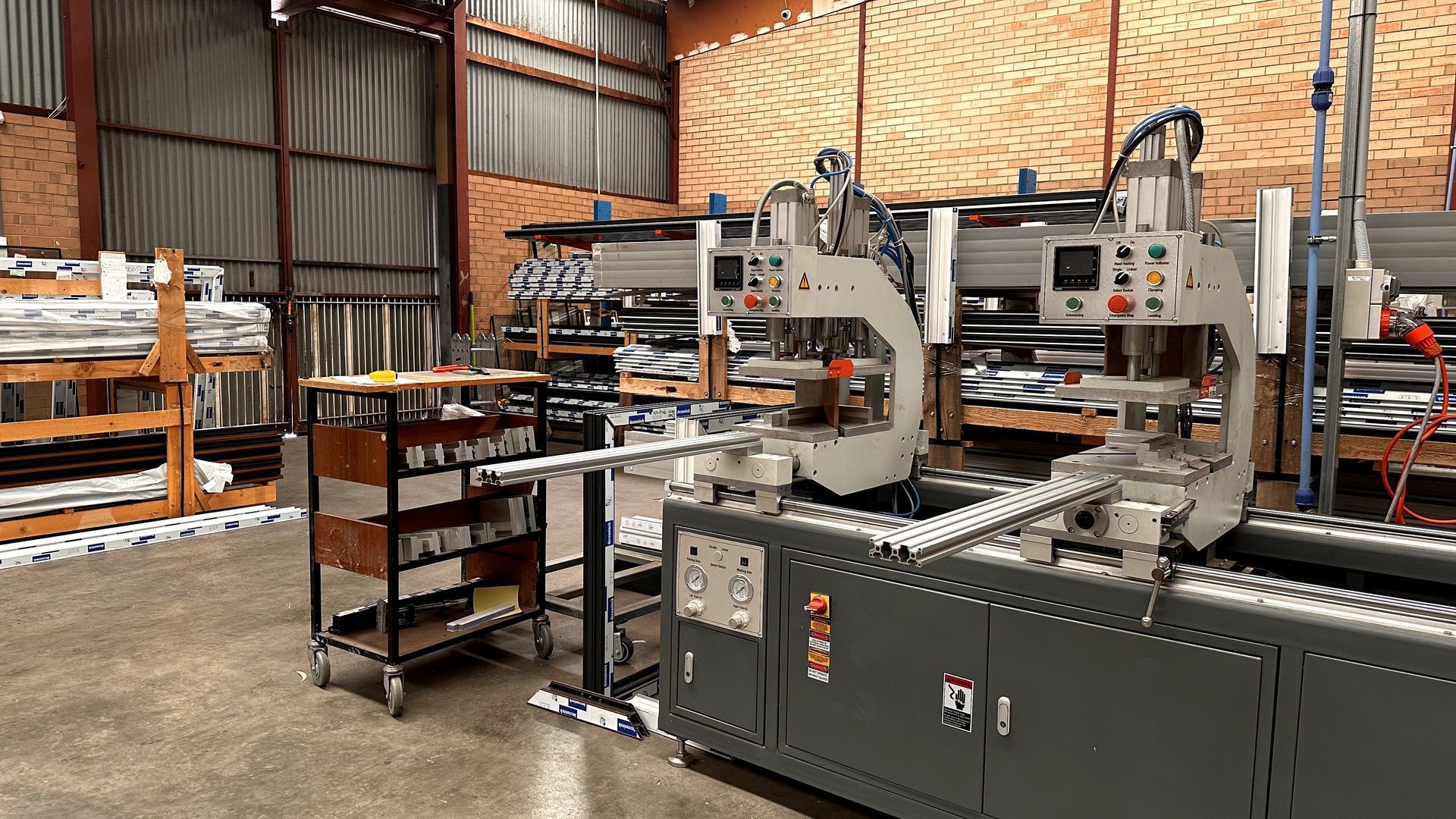
When choosing double glazed windows and doors, most people naturally focus on the price first. However, for an investment of this scale, the company behind the product is often just as important as the product itself. One of the biggest differences is whether the company operates a local manufacturing facility or simply acts as an importer or reseller. Choosing a company with a local factory offers a number of significant advantages that can make the experience safer, easier, and far more beneficial in the long term. Faster manufacturing and shorter lead times When products are manufactured locally, there is no need to rely on overseas shipping, international freight schedules, container delays, customs processing, or lengthy supply chains. This can significantly reduce overall project timelines. Even more importantly, a local manufacturer can respond much more quickly if changes are required. If dimensions need adjustment, modifications arise, or unexpected circumstances occur during a project, you are not waiting weeks or months for a factory on the other side of the world. Flexibility becomes a real advantage. Faster and simpler warranty support This is one of the most important factors — and often one people only think about after installation. Even with premium products, occasional adjustments, replacement parts, glass changes, or service visits may be needed. The key question is not whether issues ever occur, but how quickly and efficiently they can be resolved. A company with a local factory typically offers: • local stock availability • quicker access to replacement components • faster turnaround times • local service teams • reduced reliance on overseas suppliers By comparison, with imported systems, even a simple glass replacement or hardware component can sometimes take weeks or even months. Systems designed for local conditions Not all profile systems are designed for the same environment. Australian conditions are demanding. High UV exposure, extreme summer temperatures, coastal salt air, strong wind loads, and local building regulations all create unique challenges. A local manufacturer understands these conditions and typically develops or selects systems specifically suited to them: • UV-stabilised materials • glazing suitable for Australian standards • local wind-load requirements • familiarity with local building practices • systems tested for Australian conditions This can make a substantial difference in long-term performance and durability. A real showroom and visible manufacturing capability There is a major difference between choosing products from a brochure and being able to physically see and operate them. A local manufacturer often gives customers the opportunity to: • test windows and doors firsthand • compare opening systems side by side • experience hardware quality • view glass options and profile systems in person In many cases, customers can even see elements of the manufacturing process itself. This creates confidence and helps people make far more informed decisions. Greater accountability When manufacturing, supply, and installation are managed under one roof, responsibility is much clearer. With imported systems it is common to encounter situations where: the supplier points to the manufacturer the manufacturer points to the distributor the distributor points to the installer A local factory-based company often manages: site measure → manufacturing → glazing → installation → after-sales support This creates clearer communication, stronger accountability, and fewer opportunities for confusion. Long-term security Double glazing is not a short-term purchase. Most homeowners invest with a 15–30 year perspective. An important question to ask is: "If I need assistance or spare parts 10 years from now, who will I call?" With a local manufacturer, there is a much greater likelihood that: • compatible parts remain available • support continues locally • systems remain familiar and serviceable • assistance is still accessible years later Ultimately, the decision should not simply be about who offers the lowest price today. The real question is: Who will still be there when you need support tomorrow? When investing in double glazed windows and doors, you are not simply buying a product — you are investing in manufacturing capability, long-term support, service, and peace of mind.
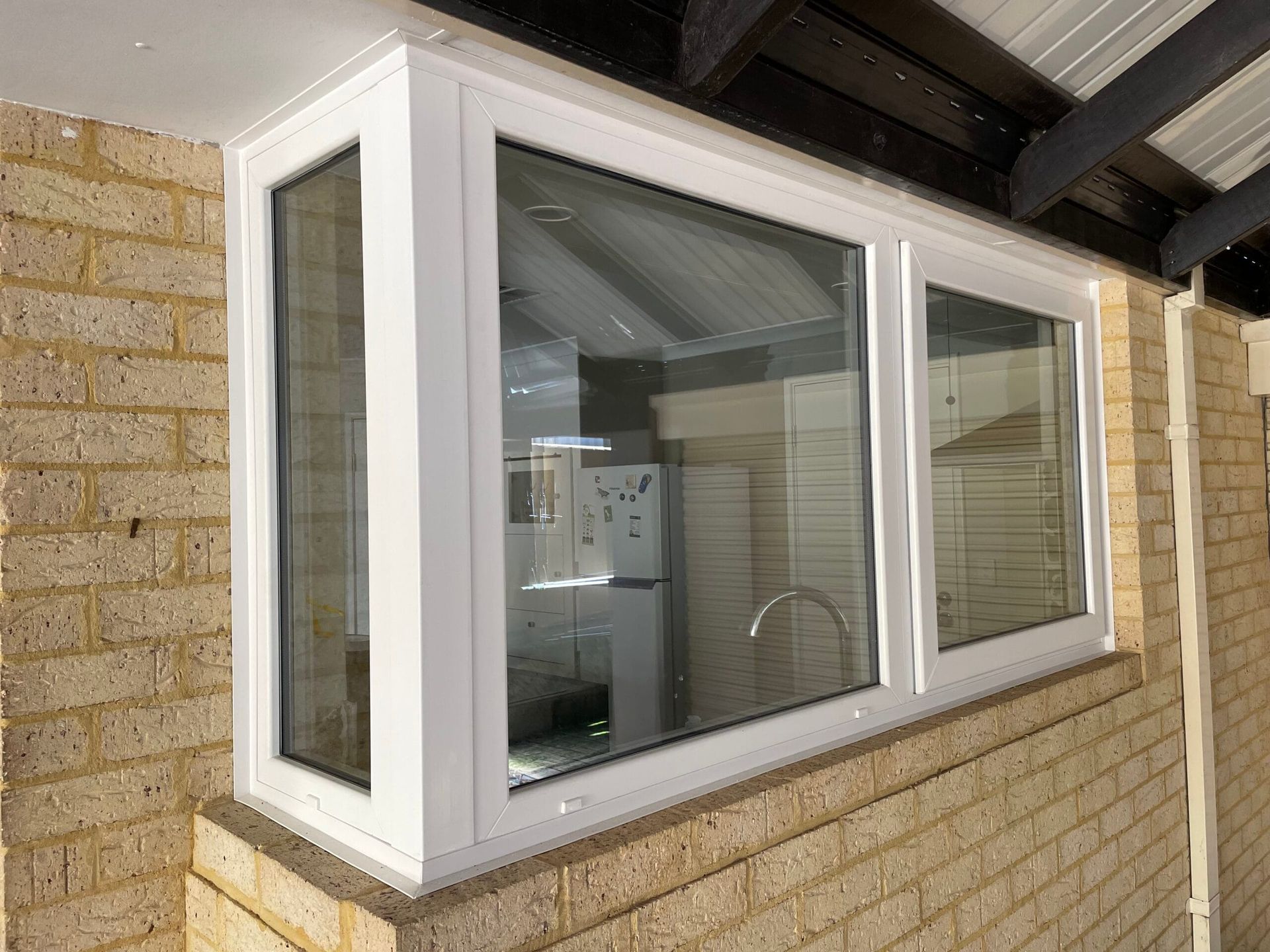
Discover how double-glazed windows in Perth, WA improve comfort, reduce noise, and lower energy bills. Learn about retrofit options, costs, and double-glazed doors with GaBe Double Glazing.
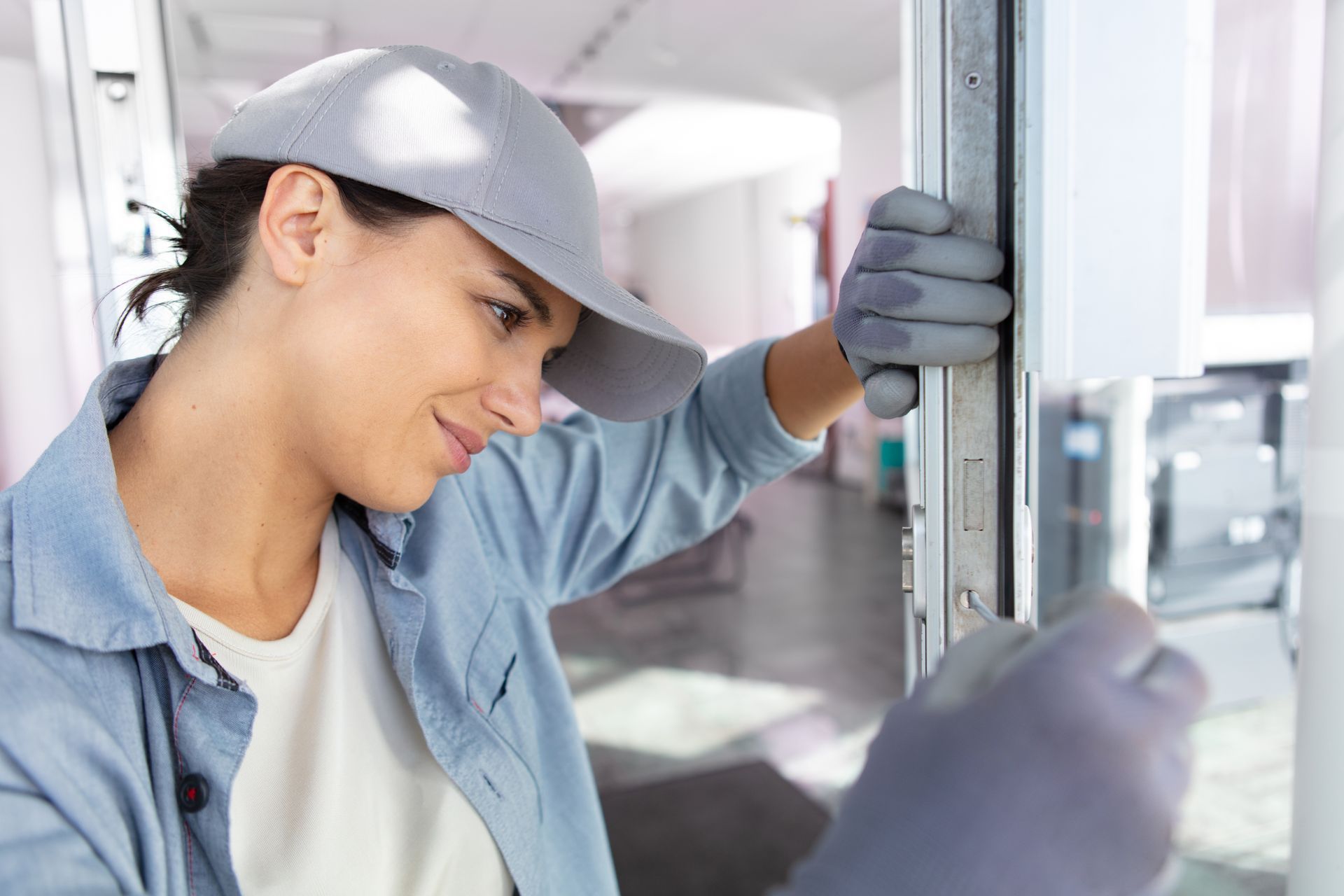
Keep your double-glazed doors for Perth, WA, in top shape. GaBe Double Glazing offers maintenance and repairs. Call 1800 422 334 today for expert advice.
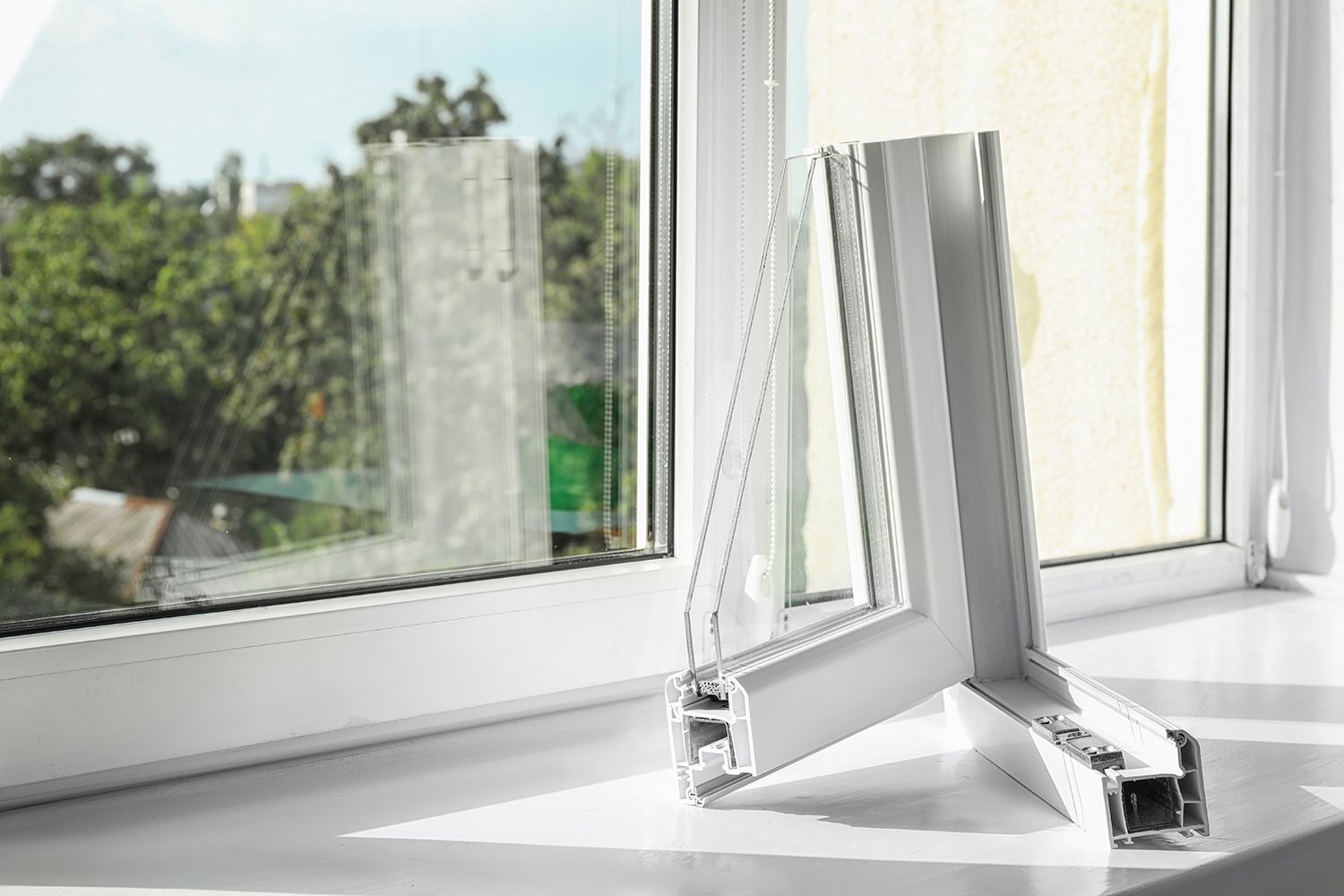
Improve the comfort and energy efficiency of your home in Perth, WA, with double-glazed windows from GaBe Double Glazing. Click here for a free service quote.
Discover how GaBe Double Glazing’s double-glazed doors for Perth, WA, can enhance security, style and quiet. Call 1800 422 334 for a free quote today.
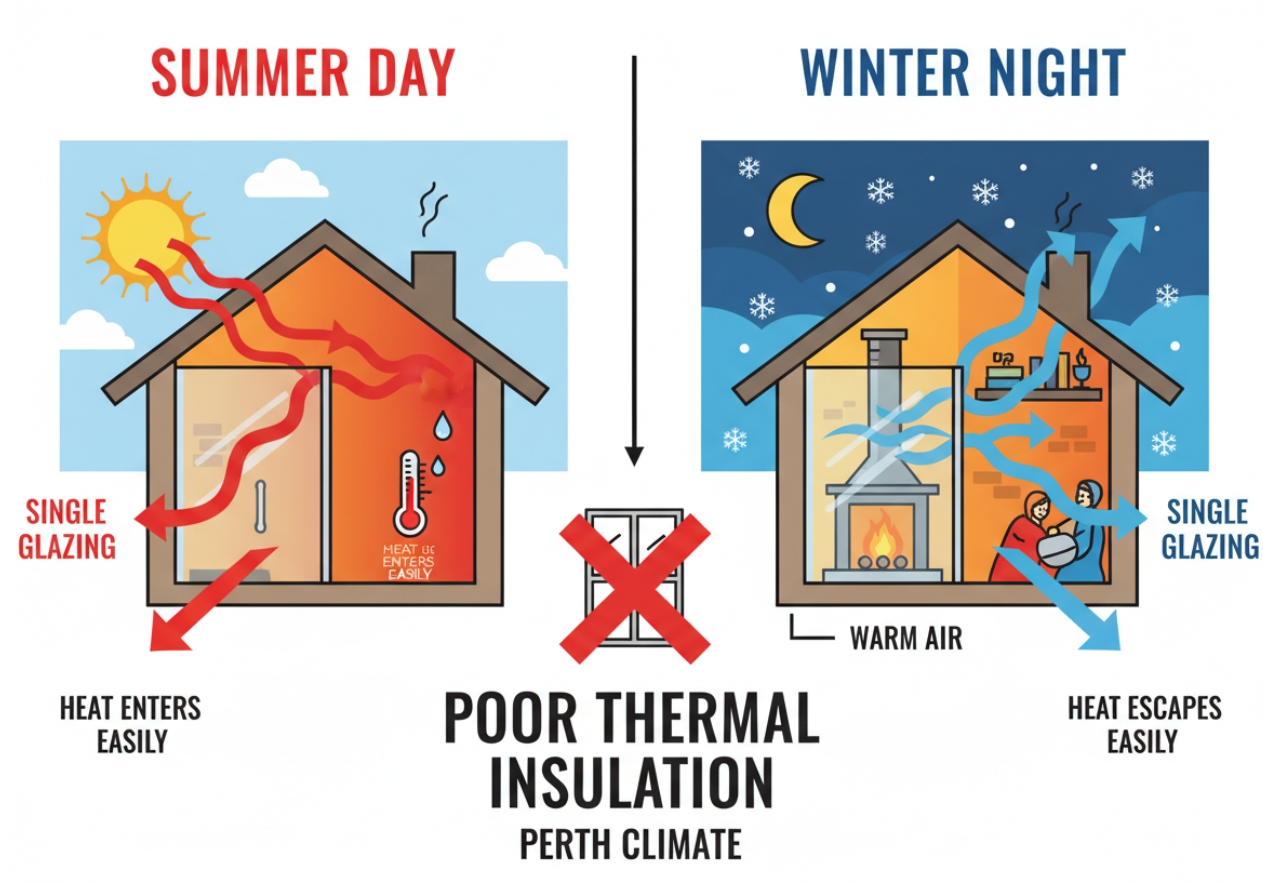
If you live in Perth, chances are you already know the downsides of single-glazed windows — even if you’ve never called them that. Rooms that heat up too quickly in summer. Cold drafts in winter. Traffic noise that creeps in at night. And power bills that seem to climb no matter how careful you are. These are some of the most common complaints homeowners raise when they contact specialists in double glazing Perth — and almost all of them trace back to one thing: outdated single-glazed windows. Let’s break down the most common issues caused by single glazing, and how modern double glazing solves them — often more effectively (and affordably) than people expect.