
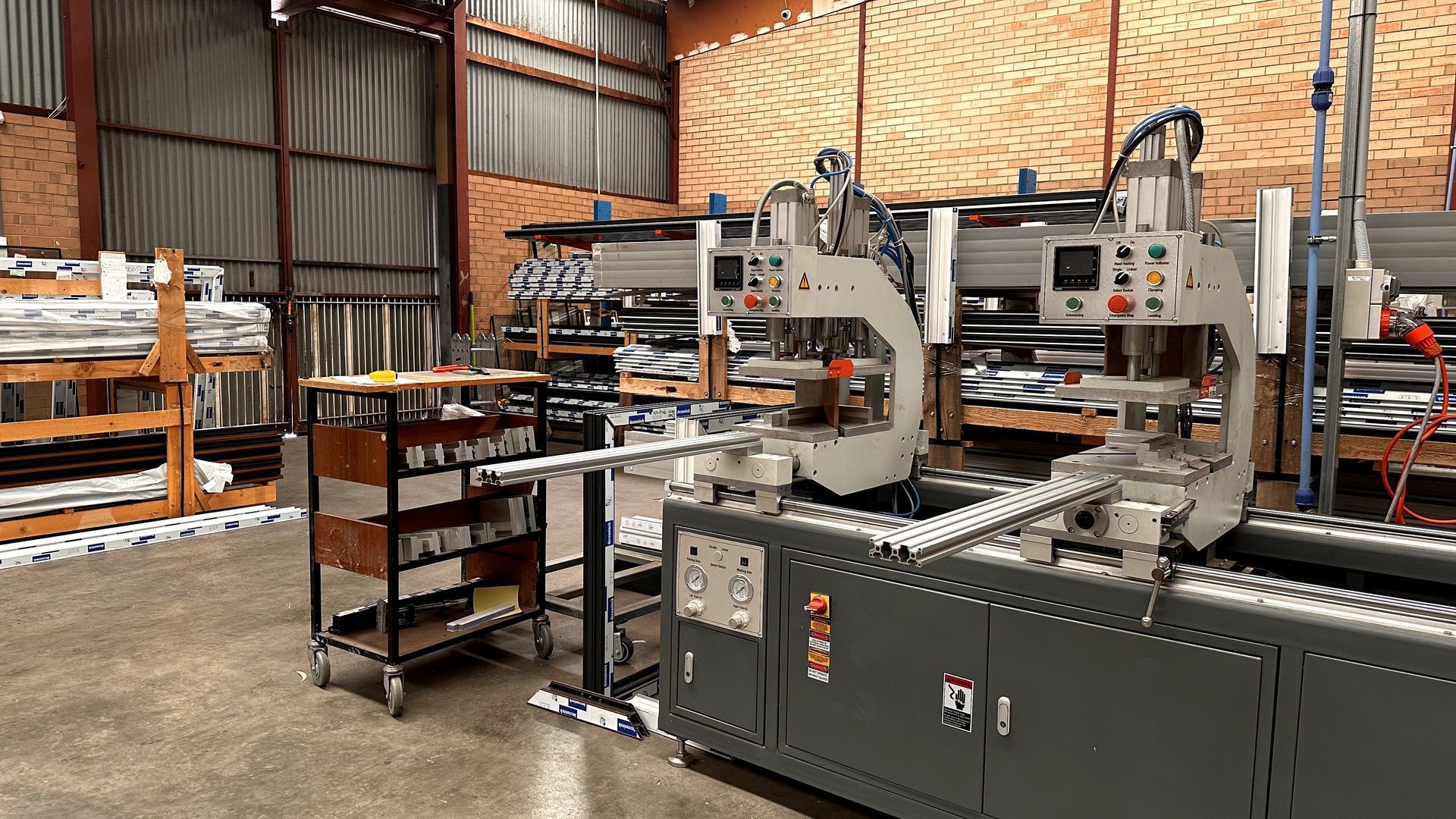
When choosing double glazed windows and doors, most people naturally focus on the price first. However, for an investment of this scale, the company behind the product is often just as important as the product itself. One of the biggest differences is whether the company operates a local manufacturing facility or simply acts as an importer or reseller. Choosing a company with a local factory offers a number of significant advantages that can make the experience safer, easier, and far more beneficial in the long term. Faster manufacturing and shorter lead times When products are manufactured locally, there is no need to rely on overseas shipping, international freight schedules, container delays, customs processing, or lengthy supply chains. This can significantly reduce overall project timelines. Even more importantly, a local manufacturer can respond much more quickly if changes are required. If dimensions need adjustment, modifications arise, or unexpected circumstances occur during a project, you are not waiting weeks or months for a factory on the other side of the world. Flexibility becomes a real advantage. Faster and simpler warranty support This is one of the most important factors — and often one people only think about after installation. Even with premium products, occasional adjustments, replacement parts, glass changes, or service visits may be needed. The key question is not whether issues ever occur, but how quickly and efficiently they can be resolved. A company with a local factory typically offers: • local stock availability • quicker access to replacement components • faster turnaround times • local service teams • reduced reliance on overseas suppliers By comparison, with imported systems, even a simple glass replacement or hardware component can sometimes take weeks or even months. Systems designed for local conditions Not all profile systems are designed for the same environment. Australian conditions are demanding. High UV exposure, extreme summer temperatures, coastal salt air, strong wind loads, and local building regulations all create unique challenges. A local manufacturer understands these conditions and typically develops or selects systems specifically suited to them: • UV-stabilised materials • glazing suitable for Australian standards • local wind-load requirements • familiarity with local building practices • systems tested for Australian conditions This can make a substantial difference in long-term performance and durability. A real showroom and visible manufacturing capability There is a major difference between choosing products from a brochure and being able to physically see and operate them. A local manufacturer often gives customers the opportunity to: • test windows and doors firsthand • compare opening systems side by side • experience hardware quality • view glass options and profile systems in person In many cases, customers can even see elements of the manufacturing process itself. This creates confidence and helps people make far more informed decisions. Greater accountability When manufacturing, supply, and installation are managed under one roof, responsibility is much clearer. With imported systems it is common to encounter situations where: the supplier points to the manufacturer the manufacturer points to the distributor the distributor points to the installer A local factory-based company often manages: site measure → manufacturing → glazing → installation → after-sales support This creates clearer communication, stronger accountability, and fewer opportunities for confusion. Long-term security Double glazing is not a short-term purchase. Most homeowners invest with a 15–30 year perspective. An important question to ask is: "If I need assistance or spare parts 10 years from now, who will I call?" With a local manufacturer, there is a much greater likelihood that: • compatible parts remain available • support continues locally • systems remain familiar and serviceable • assistance is still accessible years later Ultimately, the decision should not simply be about who offers the lowest price today. The real question is: Who will still be there when you need support tomorrow? When investing in double glazed windows and doors, you are not simply buying a product — you are investing in manufacturing capability, long-term support, service, and peace of mind.
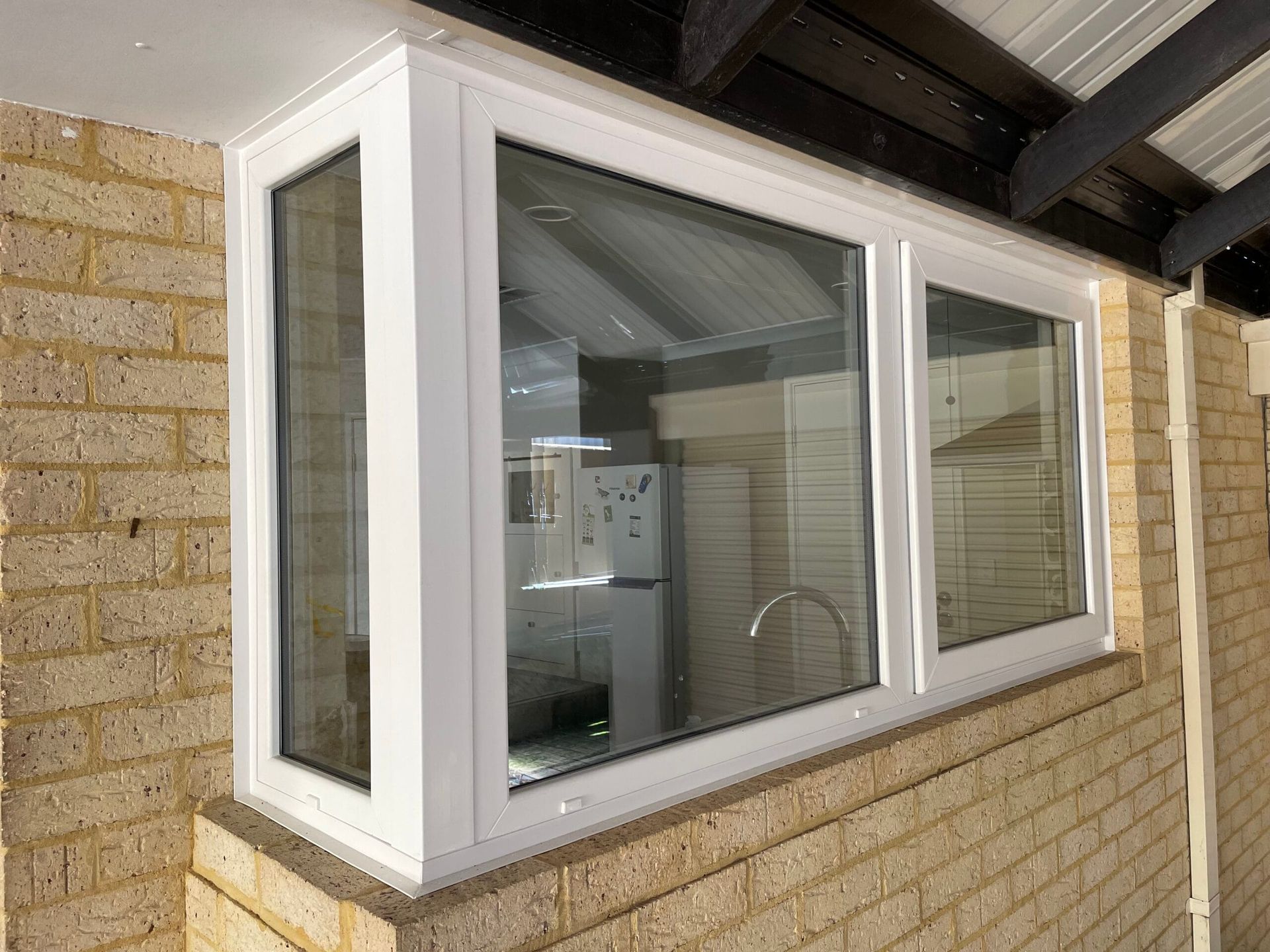
Discover how double-glazed windows in Perth, WA improve comfort, reduce noise, and lower energy bills. Learn about retrofit options, costs, and double-glazed doors with GaBe Double Glazing.

Keep your double-glazed doors for Perth, WA, in top shape. GaBe Double Glazing offers maintenance and repairs. Call 1800 422 334 today for expert advice.
Improve the comfort and energy efficiency of your home in Perth, WA, with double-glazed windows from GaBe Double Glazing. Click here for a free service quote.
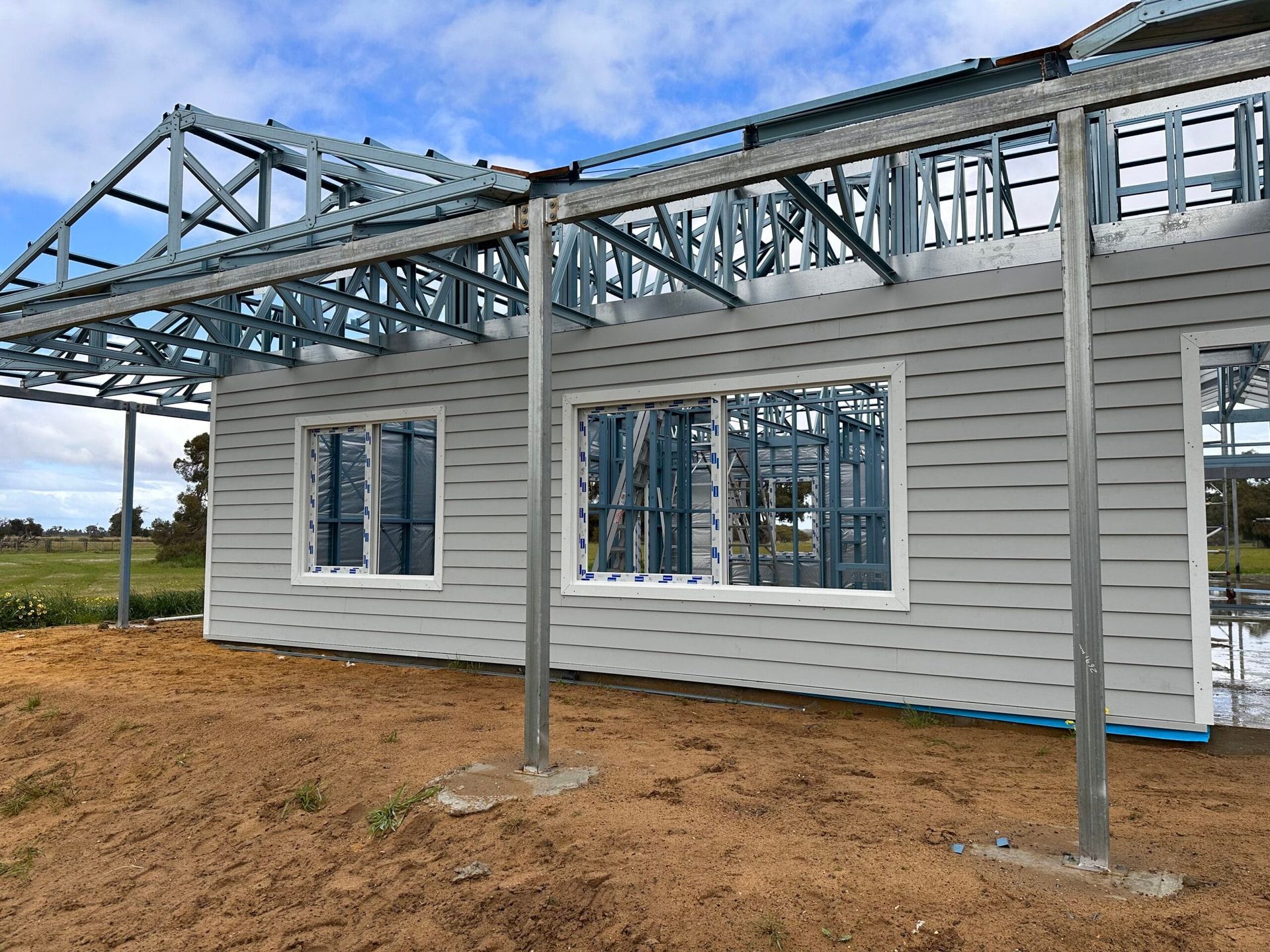
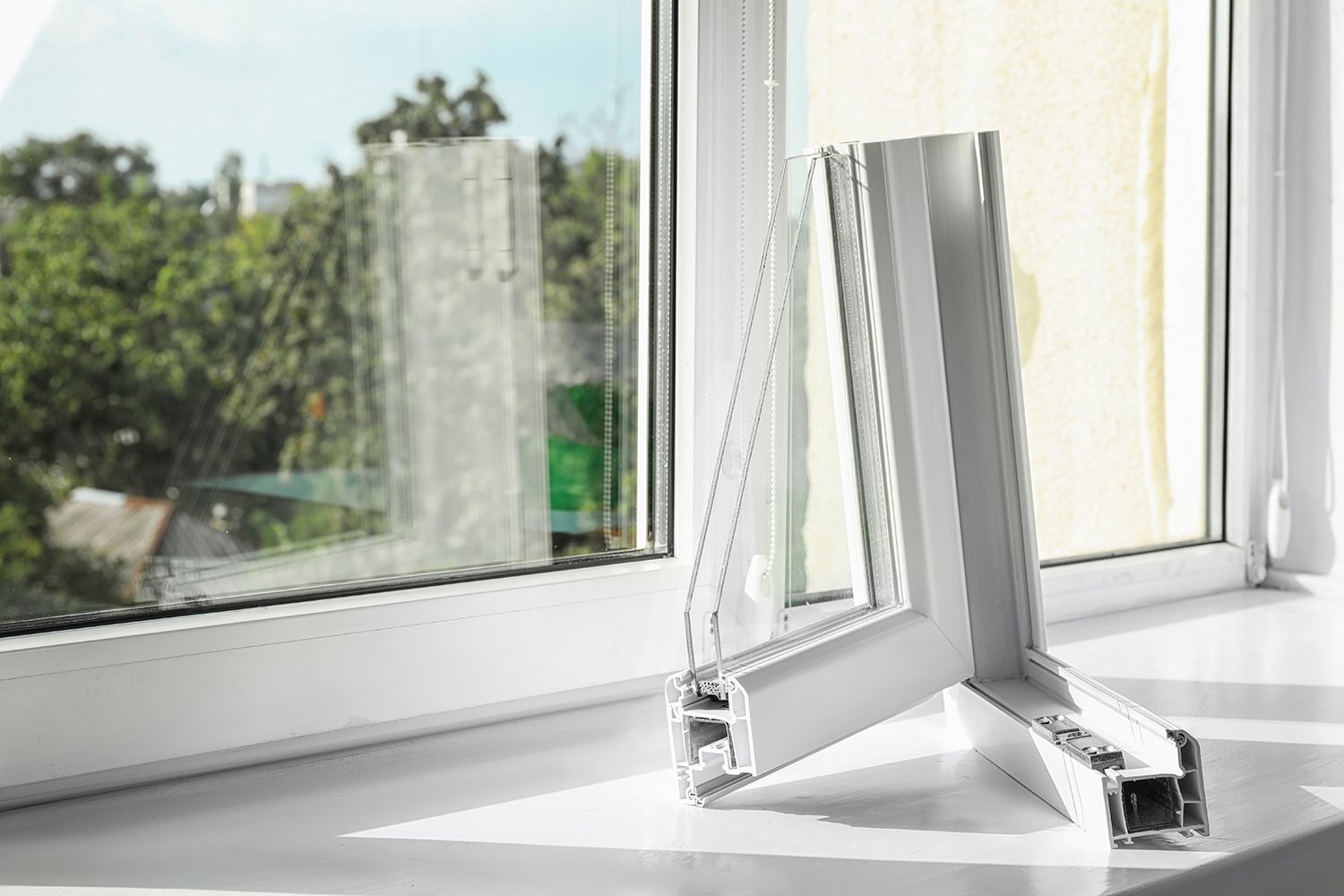
In new residential projects, the window and door package is central to energy performance, acoustic comfort, and the overall look and feel of the building. Among the available options, uPVC double-glazed systems have become a mainstream choice thanks to their thermal stability, low maintenance needs, and flexible design options. This article outlines how uPVC double glazing works, what performance to expect, and how to integrate it smoothly into a build program—from early design decisions to handover. What “uPVC double glazing” actually means uPVC (unplasticised PVC) frames: rigid, weather-resistant profiles that don’t corrode and require no repainting. Thermal breaks are inherent to the material, helping limit heat transfer through the frame. Insulating Glass Units (IGUs) : two panes separated by a sealed spacer to form an insulating cavity (air or argon). Options include Low-E coatings to reduce radiant heat transfer, laminated panes for safety or better noise control, and toughened glass where required for security. Seals & hardware : multi-point locking and compression gaskets support airtightness and weather resistance, which directly affects energy and acoustic performance. Benefits relevant to new builds Energy efficiency: The frame material plus IGU cavity lowers heat loss/gain, supporting stable indoor temperatures and reducing HVAC loads. With appropriate Low-E glass and argon fill, uPVC systems can meet demanding performance targets in warm or cool climates. Acoustic comfort : The second pane and sealed cavity disrupt sound transmission; laminated glass or asymmetrical pane thicknesses further improve performance in noisy locations. Durability & maintenance : uPVC doesn’t rot or corrode. Routine care usually involves washing the frames and checking seals and drainage. Design flexibility : Clean lines, multiple colours/finishes (including foils), tilt-and-turn, casement, awning, sliding, and door systems allow a cohesive look across elevations. Planning and design: decisions to make early Glazing specification: Confirm U-value/Solar Heat Gain targets and select glass build-ups (e.g., 4/16/4 with Low-E; argon filled cavity as a minimum recommended by GaBe Double Glazing) Consider orientation; north-/west-facing elevations may benefit from different specs like toned/colored IGU that further enhances its insulation properties Opening strategy : Choose opening types for ventilation, egress, and cleaning access. For stacked sliders or large openings, ensure adequate support and a continuous wall or sill detail —avoid unsupported glazing edges or balustrades where structural bearing is required. Interface details : Document head/jamb/sill junctions, flashings, membranes, and packers. Good drawings (DWG/PDF) prevent on-site improvisation that can compromise performance. Compliance : Coordinate glass safety requirements, fall-prevention, and wind/water ratings. In bushfire or cyclone regions, verify specific ratings and hardware. Procurement and scheduling Take-offs from drawings : Use the architectural set to compile sizes, opening directions, and hardware. Resolve duplicates clearly (e.g., if two openings are identical, list one line with quantity “2” rather than generating redundant drawings). Lead times : Lock specifications before framing sign-off. IGU and profile lead times influence the overall program; align production with façade and internal fit-out milestones. Mock-ups and samples : Where performance or finish is critical, a sample IGU or small on-site mock-up helps validate look, tint, and hardware operation. Installation and quality control Substrate readiness: Openings must be plumb, level, and sized for the specified tolerances. Continuous support at sills for stacker doors and wide sliders is essential. Weatherproofing : Membranes, flashing tapes, and backer rods must be correctly sequenced. Perimeter sealing isn’t just cosmetic—it preserves thermal and acoustic performance. Airtightness checks : Pay attention to compression of gaskets and operation of multipoint locks; small adjustments often yield measurable gains in air infiltration tests. Handover documentation : Keep a record of IGU specifications, serials (if provided), hardware schedules, maintenance guidance, and warranty terms for future reference. Acoustic and thermal tips that add value Asymmetrical panes (e.g., 6/16/4) can reduce certain noise frequencies better than symmetrical stacks. Laminated glass improves both safety and sound attenuation. External shading (eaves, screens) paired with Low-E coatings can cut cooling loads without overly darkening interiors. Ventilation strategy : Combine window placement with cross-ventilation to reduce mechanical cooling needs in shoulder seasons. Life-cycle and maintenance Routine care : Wash frames and glass with mild detergent; check drainage paths and weep holes. Seals & hardware : Inspect gaskets and lubricate moving parts per manufacturer guidance. Glass replacement : IGUs are serviceable; maintaining documentation simplifies like-for-like replacements years later. End-of-life : Many uPVC systems are recyclable Common misconceptions “uPVC discolours quickly.” Modern UV-stabilised formulations are markedly more stable; reputable profiles carry long cosmetic warranties. “All double glazing performs the same.” Frame design, spacer type, gas fill, coatings, and installation quality can change outcomes significantly—treat spec and install with equal importance. “Bigger glass is always better.” Large spans need careful structural detailing, appropriate safety glass, and verified deflection limits to maintain airtightness and seal integrity. Working with a single-responsibility provider Many project teams prefer a single partner for survey → manufacture → installation → warranty to reduce coordination overhead. The key is transparent communication, technical alignment from the outset, and documented QA at each stage. For new builds, uPVC double glazing offers a balanced package of efficiency, comfort, and durability. Success depends less on marketing claims than on the quality of specification, detailing, and installation. With clear drawings, realistic scheduling, and disciplined QA, uPVC systems can meet demanding performance targets while delivering the clean, modern aesthetic many projects seek.
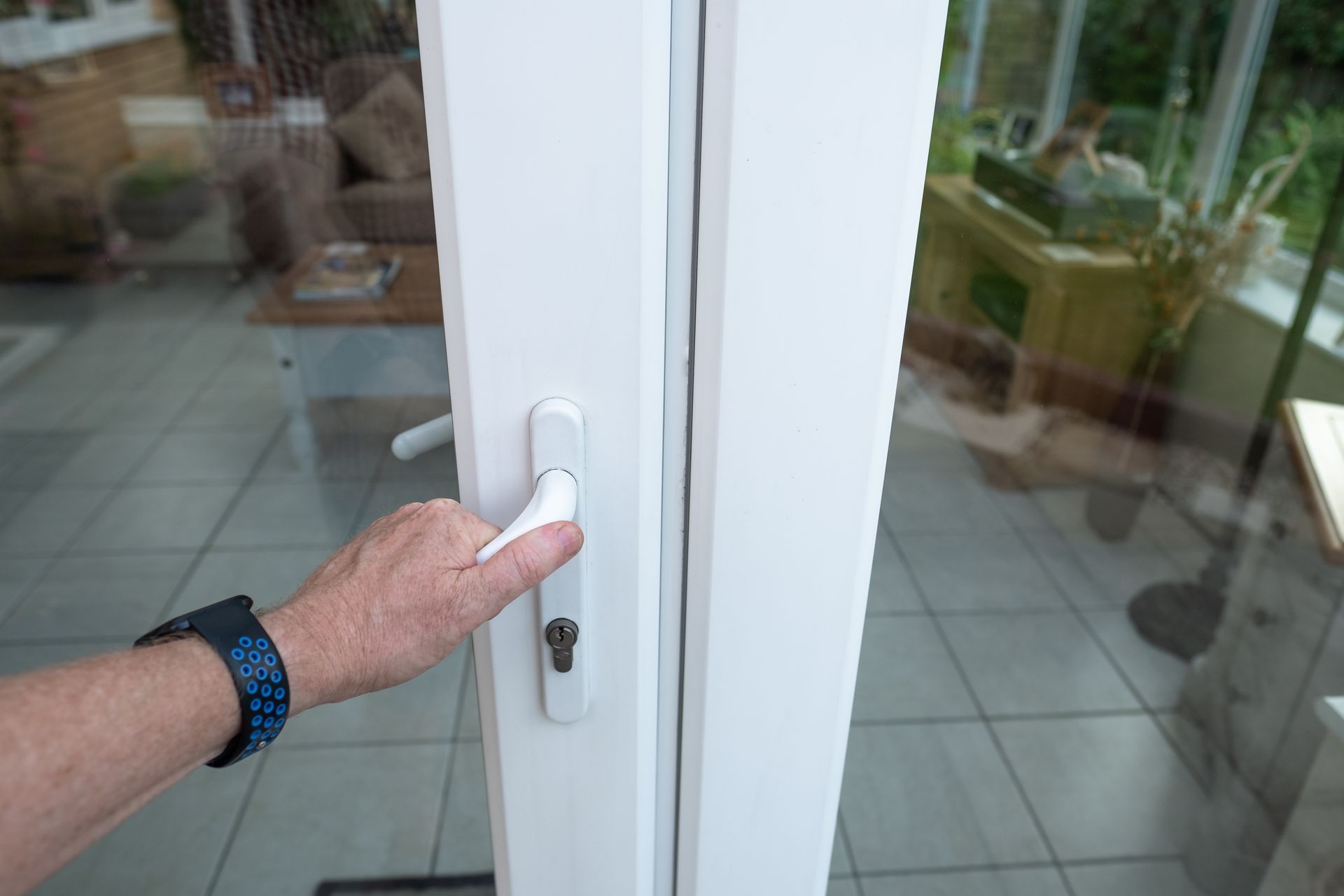
Discover how GaBe Double Glazing’s double-glazed doors for Perth, WA, can enhance security, style and quiet. Call 1800 422 334 for a free quote today.